If you have ever raised an eyebrow at the words “Chinese wine”, you are in good company. Most of us in Singapore grew up with Bordeaux, Burgundy and the New World as the reference points, so a wine from Ningxia or Xinjiang can feel like a leap. The honest answer to “is Chinese wine good?” is that the best way to find out is to taste a few, and that is easier than you might think.
Why are so many drinkers surprised by Chinese wine?
Part of the surprise is simply unfamiliarity. Chinese wine has not had decades of shelf space in Singapore, so there are fewer chances to taste it, and many people form an opinion from a single bottle, or from none at all. It is a bit like judging all French wine by one supermarket bottle.
The other part is that “Chinese wine” is not one style. China is a very large country, and its vineyards sit in very different places: high, dry desert-edge slopes, mountain basins, loess plateaus and coastal plains. The grapes are often familiar (Chardonnay, Cabernet Sauvignon, Merlot, Riesling), but the climates are not, and that is exactly what makes the glass interesting.
Scepticism is healthy. We would simply encourage turning it into curiosity: taste with an open mind, compare with something you know, and decide for yourself.
How has Chinese fine wine developed?
Wine grapes have been grown in China for a long time, but the modern, quality-focused scene is relatively young. Many of today’s boutique wineries emerged from the 2000s onward, planting international grapes in carefully chosen sites and investing in small-batch winemaking. Vinflow’s own producers reflect that timeline: according to the wineries’ published profiles, Silver Heights was founded in 2007, Domaine Pushang and Longting in 2009, Tiansai in 2010, Kanaan in 2011, Fei Tswei in 2013 and Huwei’s vineyard in 2014.
International attention has followed. The wineries describe some of it themselves, and we are happy to pass it on with attribution: Jancis Robinson has described Silver Heights as a rising star of Chinese wine; Kanaan’s wines have been recommended by Jancis Robinson, Bernard Burtschy and Ian D’Agata; Grace Vineyard’s wines have been praised by Jancis Robinson, James Halliday, Wine Spectator and Decanter; and Domaine Pushang reports Gold Medals at the Decanter World Wine Awards. These are the producers’ and critics’ views, not ours, but they show that serious wine people have been paying attention.
Because the industry is still maturing, quality varies from producer to producer, as it does everywhere. That is the reason to learn a little about what to look for.
What should you look for in a good Chinese wine?
You do not need to memorise anything. Three questions go a long way.
1. Which region?
Ningxia, along the eastern foothills of the Helan Mountains, is the best-known fine-wine region and the home of several of the wineries on our list. Xinjiang’s Yanqi Basin, Gansu’s Hexi Valley, Yunnan’s highlands, Shanxi’s Taigu, Hebei’s Huailai and Shandong’s Penglai coast each have their own climate and character. For a closer look, see our guide to Chinese wine regions and our Ningxia wine guide.
2. Which grape?
Start with a grape you already like. If you enjoy aromatic whites, try Riesling. If you like a fuller white, try Chardonnay. For reds, Cabernet Sauvignon and Merlot are familiar anchors. Then, when you feel adventurous, try Marselan, a grape that has become closely associated with Chinese reds; our Marselan guide explains why.
3. Which producer?
Look for small, quality-focused estates that name their vineyard, vintage and grape clearly. A producer who tells you where the fruit came from usually cares about the result. Ask the team, too: tasting is quicker than reading labels.
What are good Chinese wines to start with?
These are not rankings, and none of them is “the best”. They are good places to start across different styles, all drawn from Vinflow’s Chinese collection. Tasting cues are the published or typical profiles for each wine, not our own tasting notes.
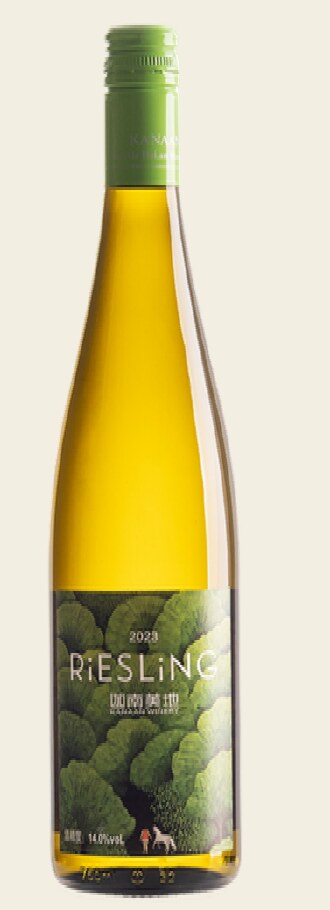
- Kanaan Riesling 2024 (Ningxia): a bright, aromatic white with grapefruit, green apple and blossom. A friendly entry point if you like crisp whites.
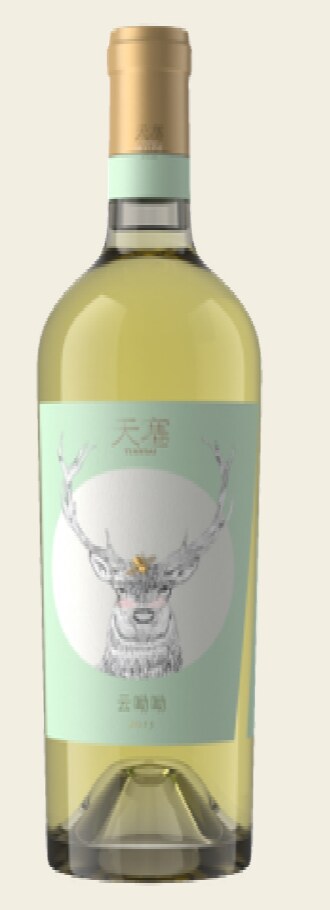
- Tiansai Skyline of Gobi Chardonnay Muscat 2023 (Xinjiang): floral, fresh and gently fruity, from the Yanqi Basin at the foot of the Tianshan mountains.
- Longting Rising Light Collection Petit Manseng 2024 (Shandong): passionfruit, honeydew and citrus from a winery on the Penglai coast. A good pick if you want something less familiar.
- Bauzuan Célèbre White 2022 (Yunnan): a Chardonnay with citrus, peach and fennel, from terraced vineyards above 2,200 metres.
- Grace Vineyard Angelina Brut Reserve 2014 (Shanxi): a sparkling Chardonnay with pineapple, toast and honey cues, for those who start dinner with bubbles.
- Silver Heights The Summit 2022 (Ningxia): a Cabernet Sauvignon with blackcurrant and dark fruit, a good reference point if you drink Cabernet often.
- Grace Vineyard Chairman’s Reserve 2018 (Shanxi): a blend of Cabernet Sauvignon, Merlot and Cabernet Franc with cherry, cassis and dried herbs.
Not every wine is open or poured at all times, so please check what is available when you visit. The full list is on our wine list.
Is Chinese red wine any good?
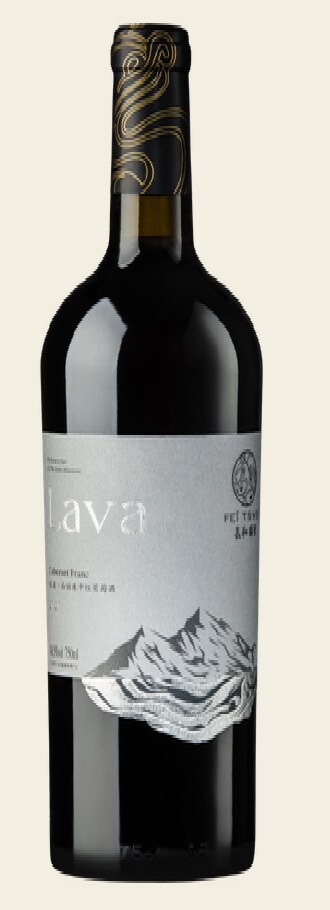
Chinese red wine is where many guests have their moment of surprise. Reds from Ningxia and elsewhere are commonly made from Cabernet Sauvignon, Merlot, Cabernet Franc and Marselan, grapes that most drinkers already know. The published cues across our list range from plum and rounded fruit (Merlot) to blackcurrant and oak spice (Cabernet Sauvignon) and mint, plum and raspberry with firm tannins (Fei Tswei Lava Cabernet Franc 2021).
Vinflow’s Chinese reds include Silver Heights Emma’s Reserve 2021, Kanaan Black Beauty 2018, Fei Tswei Reserve Marselan 2020 and Ease Estate’s Being Real Classico Reserva Cabernet Sauvignon 2021 from Gansu, among others. If you enjoy European reds, a Chinese Cabernet or Merlot is a natural comparison to make at the table.
Where can I try Chinese wine in Singapore?
At Vinflow Wine Bar & Bistro, our collection of 32 Chinese wines from 15 wineries across seven regions (Ningxia, Xinjiang, Gansu, Yunnan, Shanxi, Hebei and Shandong) sits beside the rest of our international list. You can read more on our Chinese wine collection in Singapore page. Two routes make trying several wines easy.
The Premium Chinese Wine Flight
The Premium Chinese Wine Flight is a top-up of $20++ to regular-priced free-flow ordered between 5 and 8 pm. It gives you four different Chinese wines, one glass of each:
- Kanaan Riesling 2024 (Ningxia): grapefruit, green apple and blossom.
- Tiansai Skyline of Gobi Chardonnay Muscat 2023 (Xinjiang): floral, crisp and gently fruity.
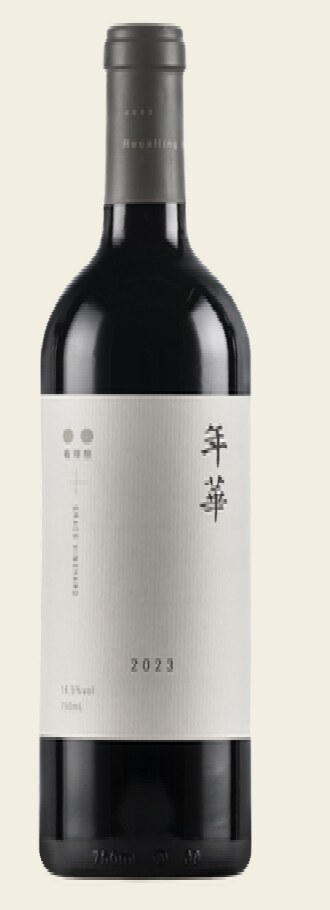
- Grace Vineyard Recalling The Year 2025 (Shanxi): red and dark fruit with a fresh, supple feel.
- Fei Tswei Lava Cabernet Franc 2021 (Ningxia): mint, plum and raspberry; firm tannins.
Each top-up includes one four-wine flight and refills are not included. The flight is exclusively for regular-priced free-flow; promotional packages are excluded, and terms are subject to change. See our promotions page for current free-flow details.
The tap wall
Our 32-tap wine wall is Singapore’s only 32-tap wine wall, and it currently pours three Chinese wines: Chapter and Verse Select Chardonnay 2018 (orchard fruit and citrus), Chapter and Verse Select Merlot 2016 (plum and rounded fruit), both from Huailai in Hebei, and HUWEI “Zhuan” Marselan 2021 from Ningxia (black fruit, chocolate and spice). Pour a small taste of each, and you have a mini Chinese tasting in three glasses. The tap selection is subject to change and availability.
What should I eat with Chinese wine?
Pairings are suggestions, not rules. Crisp whites such as Riesling or a Chardonnay Muscat sit comfortably with lighter shareable plates, while a rounded Merlot or a structured Cabernet suits richer dishes. If you are planning a group evening, our private events team can help you build a tasting around several wines, and our Chinese wine food pairing guide has more ideas.
A simple plan for your first Chinese wine tasting
- Ask for the flight if you visit between 5 and 8 pm with regular-priced free-flow, or a taste of each tap Chinese wine if you do not.
- Taste the whites first, then the reds, and notice which grape or region you gravitate towards.
- Compare one Chinese wine with a similar grape from elsewhere on the wall, such as a Chardonnay or a Merlot.
- Ask the team for a bottle suggestion that matches what you liked.
Wine selection, vintages and availability are subject to change. Wine service is for guests of legal drinking age; please enjoy responsibly.
Frequently Asked Questions
Is Chinese wine good? Your questions answered
Is Chinese wine good?
Yes, quality-focused Chinese wineries are making wines worth trying, and the best way to judge is to taste a few. Style varies by region, grape and producer, so one bottle is not a verdict on the whole country. At Vinflow Wine Bar & Bistro in Singapore you can compare several by the glass or in a flight.
What is the best Chinese wine for beginners?
There is no single best. Good places to start are approachable styles: a crisp Riesling, a fresh Chardonnay Muscat or a rounded Merlot. The Premium Chinese Wine Flight lets you taste four different Chinese wines, one glass each, before you commit to a bottle.
Which Chinese wine regions should I know?
Ningxia is the best known, with other wines from Xinjiang, Gansu, Yunnan, Shanxi, Hebei and Shandong. Vinflow’s Chinese collection spans all seven of these regions.
Is Chinese red wine dry and full-bodied?
Many Chinese reds are made from Cabernet Sauvignon, Merlot and Marselan and are typically dry, but style varies with grape, vintage and winemaking. Published tasting cues for Vinflow’s reds range from plum and rounded fruit to blackcurrant, spice and firm tannins.