If you read enough Chinese wine labels, you will meet a red grape called Cabernet Gernischt. It sounds German, it looks like a Cabernet, and it turns out to be neither. This guide explains where the name came from, what DNA research says about the grape, how it tastes, and where you can try one in Singapore at Vinflow Wine Bar & Bistro.
What is Cabernet Gernischt?
Cabernet Gernischt is a dark-skinned wine grape grown in China. In Chinese it is known as Shelongzhu (蛇龙珠), and it is one of the country’s long-established red varieties, grown alongside Cabernet Sauvignon and Cabernet Franc. A Shandong Agricultural University study published in the journal Vitis counts it among China’s most important red wine cultivars.
It is one of the more distinctive entries on a list of Chinese grape varieties. Most of China’s famous wines are made from grapes that are known elsewhere: Cabernet Sauvignon, Merlot, Chardonnay, Riesling and more recently Marselan. Cabernet Gernischt is different, because the name itself is a Chinese-wine curiosity.
Where does the name come from?
“Gernischt” is not a real German word. According to Jancis Robinson, it is probably a mistaken transcription of Gemischt, German for “mixed”, as in “mixed Cabernets”, written on some cuttings. The Vitis paper tells a similar story: the name was given by an Austrian winemaker working with Changyu, and “Gernischt” was later recognised as a slip for “Gemischt”. In other words, the label originally meant a Cabernet of uncertain identity.
A popular alternative story involves a Yiddish pun. It is fun, but we have only found it repeated in secondary sources, so we would treat it as a tale rather than a fact.
How did it get to China?
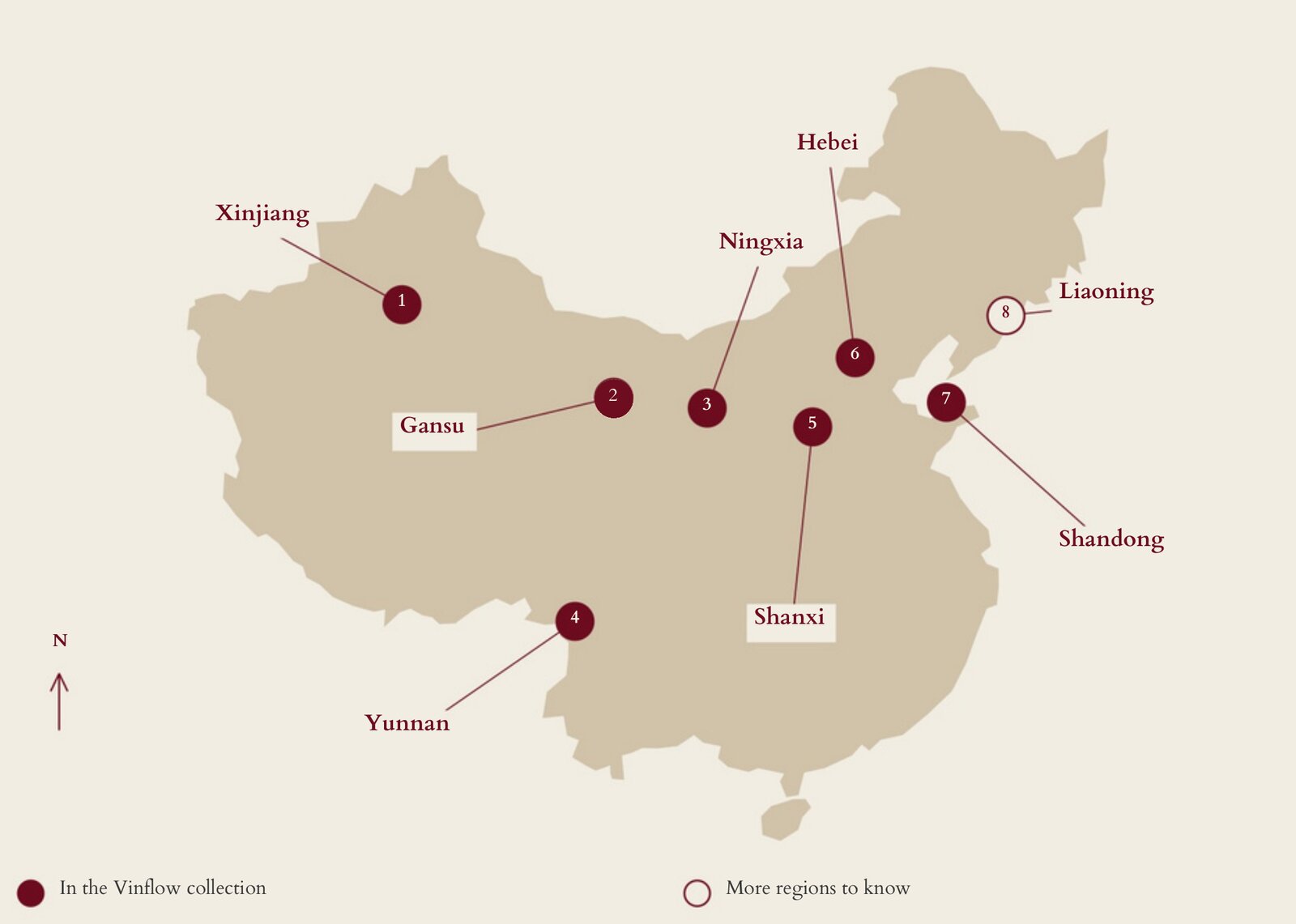
The grape is tied to the beginnings of China’s modern wine industry. Changyu, founded in 1892 in Yantai, on the coast of Shandong, is generally regarded as China’s first modern winery, and the Vitis paper records that it brought in a number of European wine varieties, one of which became known as Cabernet Gernischt. Researchers have also collected distinct Cabernet Gernischt clones from vineyards around Penglai, Shandong, which suggests the grape has been cultivated there for a long time.
The variety also reached Ningxia. When Jancis Robinson visited Ningxia in 2012, she described Cabernet Gernischt as the local grape speciality and noted that many of the local reds she tasted showed a very distinctive green, peppery character.
Is Cabernet Gernischt really Carmenère?
This is the question that makes the grape interesting to wine geeks, and the evidence is fairly strong. Here is what we can say, with sources:
- Jancis Robinson (2012). She reports that José Vouillamoz, her co-author on Wine Grapes, obtained samples from Changyu, analysed their DNA, and established that Cabernet Gernischt is Carmenère.
- Zhong and colleagues, Vitis (2012). Using 32 microsatellite markers, the Shandong Agricultural University team found identical patterns for Cabernet Gernischt and Carmenère, and concluded that Cabernet Gernischt is most likely Carmenère. They also reported that it shares genetic markers with Cabernet Franc and Gros Cabernet, the two grapes they identify as Carmenère’s parents.
So when a bottle says Cabernet Gernischt, it is, according to this research, the same variety as Carmenère. The Chinese label name has simply stuck. Carmenère itself is an old Bordeaux grape that, according to the Vitis paper, nearly disappeared in France after the phylloxera crisis. It is now best known from Chile.
As with any research finding, it is polite to stay a little careful. We are relying on published studies, not our own lab work, and producers may call the grape what they like.
What does Cabernet Gernischt taste like?
Carmenère has a reputation for green, peppery and leafy notes, and Jancis Robinson links the green character she found in Ningxia examples to exactly that. She also reported that a Changyu Cabernet Gernischt blend she tasted in London showed no greenness at all, because, as she was told by a consultant to the winery, yields had been cut sharply and Merlot and Cabernet Sauvignon were blended in. Her takeaway was that ripeness and winemaking matter.
That is a useful way to think about it. The same grape can taste leafy and herbal in one bottle and plush and spicy in another. Style depends on yield, ripeness, oak and blend. The tasting cues in this guide are published profiles and typical traits, not our own tasting assessment.
How does it differ from Cabernet Sauvignon and Marselan?
As a rough guide, and keeping in mind that every producer is different:
- Cabernet Sauvignon is the structure grape: blackcurrant and dark fruit, firmer tannins. Vinflow’s list describes Silver Heights’ The Summit 2022 as blackcurrant and dark fruit, for example.
- Marselan, a Cabernet Sauvignon and Grenache cross, tends towards dark berries and floral notes in our published profiles. See our guide to the Marselan grape.
- Cabernet Gernischt (Carmenère) is the herbal, peppery one, with spice and leafy aromatics that can be softened by careful ripening.
If you enjoy Cabernet Franc, you may find Gernischt familiar. Early researchers in China thought it was a Cabernet Franc, and the Vitis paper names Cabernet Franc as one of its parents. For a wider tour of Cabernet in China, see our guide to Chinese Cabernet Sauvignon.
Where is Cabernet Gernischt grown?
Its historical home in China is Shandong, around Yantai and Penglai. It is also grown in Ningxia, where Jancis Robinson found it in 2012 to be the local grape speciality. Ningxia’s vineyards sit on the eastern foothills of the Helan Mountains, which our Ningxia wine guide covers in more detail. For a region-by-region overview, read Chinese wine regions.

Where to try Cabernet Gernischt in Singapore
Vinflow carries 32 Chinese wines from 15 wineries across seven regions. For this grape, look to Ningxia’s Xige Estate (西鸽酒庄).
Xige Estate Jade Dove Single Vineyard Cabernet Gernischt 2021
Xige Estate was established in 2017 in the eastern foothills of Ningxia’s Helan Mountain. Vinflow lists its Jade Dove Single Vineyard Cabernet Gernischt 2021, a single-vineyard selection of the variety. It is a Ningxia red.
Our list does not publish tasting cues for this wine, so we will not invent any. Ask the team what they think when you order, and keep an eye out for the herbal, peppery side of the grape described above. Selection, vintages and availability are subject to change. See the full wine list.
Good comparisons on the same list
- Fei Tswei Lava Cabernet Franc 2021 (Ningxia): mint, plum and raspberry, with firm tannins. Cabernet Franc is named as one of Carmenère’s parents in the Vitis paper, so it makes an interesting relative to taste. It is one of the four wines in the Premium Chinese Wine Flight.
- Silver Heights The Summit 2022 (Cabernet Sauvignon, Ningxia): blackcurrant and dark fruit.
- Silver Heights Jiayuan Marselan 2023 (Ningxia): dark berries and floral notes.
- HUWEI “Zhuan” Marselan 2021 (Ningxia): black fruit, chocolate and spice. It is currently on the tap wall, subject to change and availability.
Learn more about Silver Heights in our winery guide.
The Premium Chinese Wine Flight
Cabernet Gernischt is not currently one of the flight wines, but the flight is a good way to build up context. It is a +$20++ top-up to regular-priced free-flow ordered between 5 and 8 pm, with four different Chinese wines, one glass of each: Kanaan Riesling 2024, Tiansai Skyline of Gobi Chardonnay Muscat 2023, Grace Vineyard Recalling The Year 2025 and Fei Tswei Lava Cabernet Franc 2021. Refills are not included, promotional packages are excluded, and the line-up is subject to change. See our promotions for free-flow details.
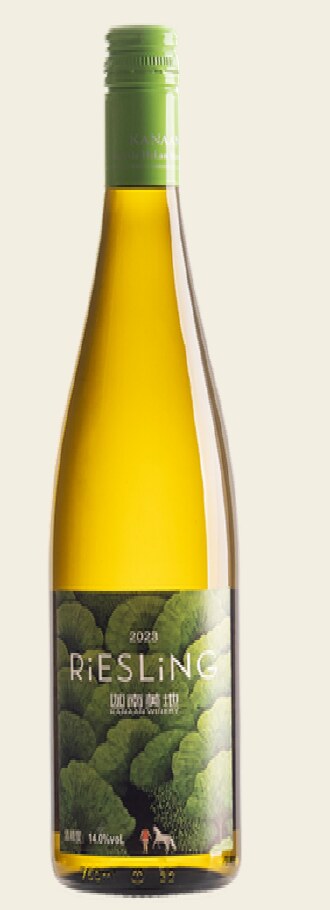
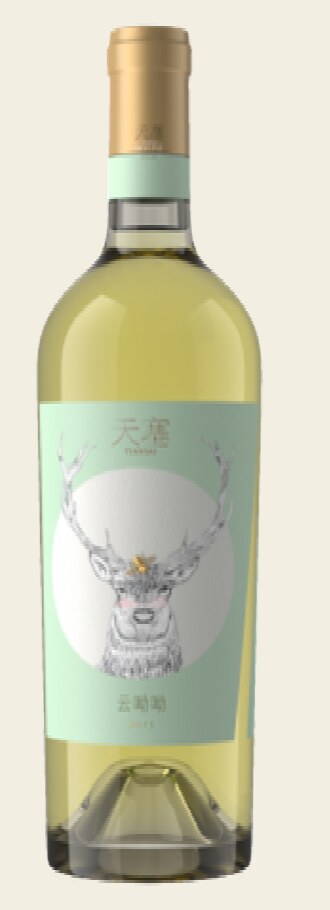
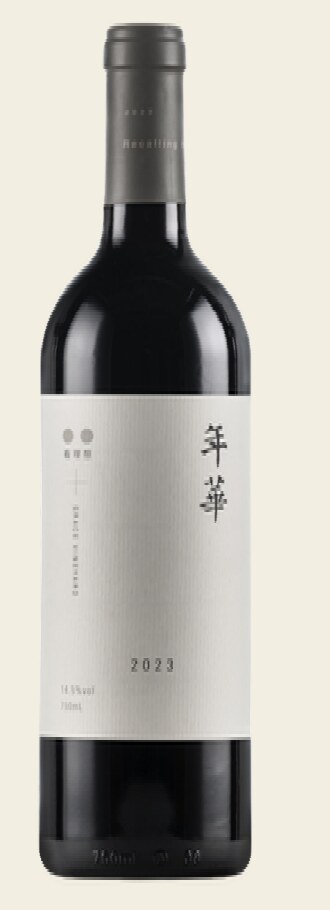
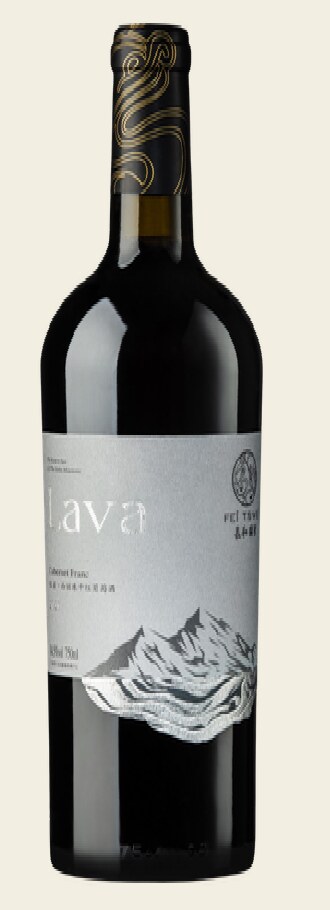
Bottle images for reference.
A simple tasting plan
- Start with Cabernet Franc. Taste the Fei Tswei Lava Cabernet Franc in the flight and note the mint and firm tannins.
- Move to Cabernet Gernischt. Order the Xige Jade Dove and look for herbal, peppery or spicy notes.
- Finish with Marselan. Compare it with a Marselan poured from the tap wall.
Pairings are only suggestions. As a rule of thumb, herbal and peppery reds can be pleasant with savoury, spiced dishes, and our Chinese wine and food pairing guide has more ideas. If you are new to Chinese wine altogether, start with is Chinese wine good? Planning a group evening? Our private events page has details.
Plan your visit
Vinflow is at 55 Keong Saik Road, #01-01, Singapore 089158, and open daily from 3 pm. Reservations are handled through OpenTable, and you can also message us on WhatsApp. Ask which Chinese wines are available that day, since selection, vintages and availability change. Wine service is for guests of legal drinking age; please drink responsibly.
Frequently Asked Questions
Cabernet Gernischt in Singapore
What is Cabernet Gernischt?
Cabernet Gernischt is a red wine grape long grown in China. The name is thought to come from a mis-transcribed “Cabernet Gemischt”, German for “mixed Cabernet”. Genetic studies, including work reported by Jancis Robinson and a Shandong Agricultural University paper, indicate it is the old Bordeaux variety Carmenère.
Is Cabernet Gernischt the same as Carmenère?
DNA fingerprinting says yes, or very nearly. José Vouillamoz’s analysis, reported by Jancis Robinson in 2012, found Cabernet Gernischt to be Carmenère, and a 2012 study in the journal Vitis using 32 microsatellite markers found identical profiles. Wine labels in China still use the Cabernet Gernischt name.
What does Cabernet Gernischt taste like?
Published descriptions often mention peppery, leafy or green notes, which Carmenère is also known for. Careful yield control and blending can soften this. Style varies by producer and vintage, so the best test is to taste it. Vinflow’s list does not publish tasting cues for the Xige bottle, so ask the team on the day.
Where can I try Cabernet Gernischt in Singapore?
Vinflow Wine Bar & Bistro at 55 Keong Saik Road, #01-01 lists Xige Estate Jade Dove Single Vineyard Cabernet Gernischt 2021 from Ningxia. Selection, vintages and availability are subject to change, so check the wine list or ask the team.